About One in Every 10

    Closing the Health Equity Gap

    We exist to close the gap in reproductive health equity for women and menstruators living with PCOS and uterine fibroids, with a focus on BIPOC and low-income communities.

    How Well Do You Know Us?

    Test your knowledge about our mission and impact

    What share of women with PCOS wait more than 2 years for a diagnosis?

    0%50%100%

    What inspired the founding of One in Every 10?

    Our Mission

    One in Every 10 exists to close the gap in reproductive health equity for women and menstruators living with PCOS and uterine fibroids, with a focus on BIPOC and low-income communities. We empower individuals through education, research, wellness programs, and advocacy while driving systemic change in healthcare, policy, and industry standards.

    Our Vision

    We envision a world where PCOS and fibroid care is equitable, holistic, and accessible to all. A future where BIPOC and low-income communities are no longer left behind in reproductive health, and where equity, dignity, and wellness are the standard for all who menstruate.

    Our Core Values

    These values guide everything we do and shape how we serve our community.

    Equity

    We fight for fair and inclusive care for those living with PCOS and uterine fibroids, with a focus on BIPOC and low-income communities.

    Compassion

    We honor the dignity of every person by listening, supporting, and standing beside them throughout their reproductive health journey.

    Holistic Healing

    We embrace care that addresses the whole person, mind, body, and spirit, through nutrition, mental health, lifestyle, and community wellness.

    Advocacy

    We raise our voices to demand research, funding, and policy changes that close the gaps in PCOS and fibroid treatment and representation.

    Community

    We create safe, supportive spaces where people can connect, heal, and thrive together.

    Justice

    We push for research and healthcare systems that reflect the realities and voices of those most impacted by PCOS and fibroids.

    Why We Exist

    One in Every 10 exists to transform how PCOS and uterine fibroid care is understood, delivered, and experienced. These conditions affect millions of people, yet they continue to be underfunded, overlooked, and neglected by traditional medical systems.

    The lack of research, equitable treatment, and culturally responsive support leaves many, especially those in BIPOC and low-income communities, without the resources they urgently need.

    We exist to make reproductive health a human right and to build a future where every person living with PCOS or fibroids can be seen, heard, and cared for with dignity. Our mission is not only to help people survive, but to empower them to thrive.

    The Problems We Address

    Delayed Diagnoses and Inadequate Care

    Up to 70% of PCOS cases go undiagnosed, and 33.6% of women wait more than 2 years for answers

    BIPOC and low-income patients experience years of delayed diagnoses and often see multiple clinicians before receiving a proper diagnosis.

    Source: World Health Organization

    Systemic Bias in Healthcare

    Fibroids are about 3 times more common in Black women than white women

    Black women are also diagnosed with fibroids about 4 years earlier on average, and are more likely to experience severe symptoms such as anemia.

    Source: Catherino et al., Semin Reprod Med 2013

    Gaps in Research and Funding

    In FY2023, NIH awarded roughly $33 million across 87 PCOS projects

    NIH funding remains disproportionately low relative to disease burden for many conditions that primarily affect women, including PCOS and fibroids.

    Source: NIH RePORTER award data

    Menstrual Inequity and Period Poverty

    In a low-income urban sample, 64% of women could not afford menstrual products in the past year

    46% of women in that sample had to choose between menstrual products and food, a burden that falls hardest on low-income Black and Latina women.

    Source: Kuhlmann et al., Obstet Gynecol 2019

    Our Community-Centered Approach

    We take a justice-driven approach to transforming care for those affected by PCOS and fibroids, especially BIPOC and low-income individuals who are too often excluded from timely, equitable, and compassionate healthcare.

    Our Multi-Pronged Strategy Includes:

    Community-Based Health Navigation
    SheSpeaks Research Equity Project
    The Womb Wellness Project
    Flow Without Fear, The 28 Day Promise
    Pathways to Parenthood
    Participatory Policy Labs

    Community-Based Participatory Research (CBPR)

    We follow the CBPR model, which ensures that people living with PCOS and fibroids are equal partners in shaping our work. From research design to program evaluation, their lived experiences guide every step.

    This approach builds trust and promotes shared decision-making. We host listening sessions, peer advisory boards, and culturally relevant surveys to better understand real needs and design solutions that reflect the community's voice.

    What Makes Us Different

    One in Every 10 stands at the intersection of health equity, wellness, and justice. While many organizations focus solely on awareness, we go further, addressing the root causes of reproductive health disparities and period poverty that disproportionately impact BIPOC and low-income women.

    We believe reproductive equity means more than access to care; it means ensuring women have safe products, inclusive research, and policies that protect their health. Unlike traditional initiatives | One in Every 10 blends advocacy with holistic wellness.

    Our difference is simple yet powerful: we are not just building awareness, we are building systems of accountability, wellness, and justice so that no woman is left unheard, untreated, or unsafe.

    Leadership rooted in community

    Board of Directors

    Meet the dynamic leadership team behind One in Every 10. Our Board of Directors brings decades of combined experience across healthcare, public health, behavioral health, technology, education, research, compliance, community service, and nonprofit leadership. Their skill, passion, and lived understanding help guide our work with purpose, strengthen every program we build, and keep the people we serve at the heart of every decision.

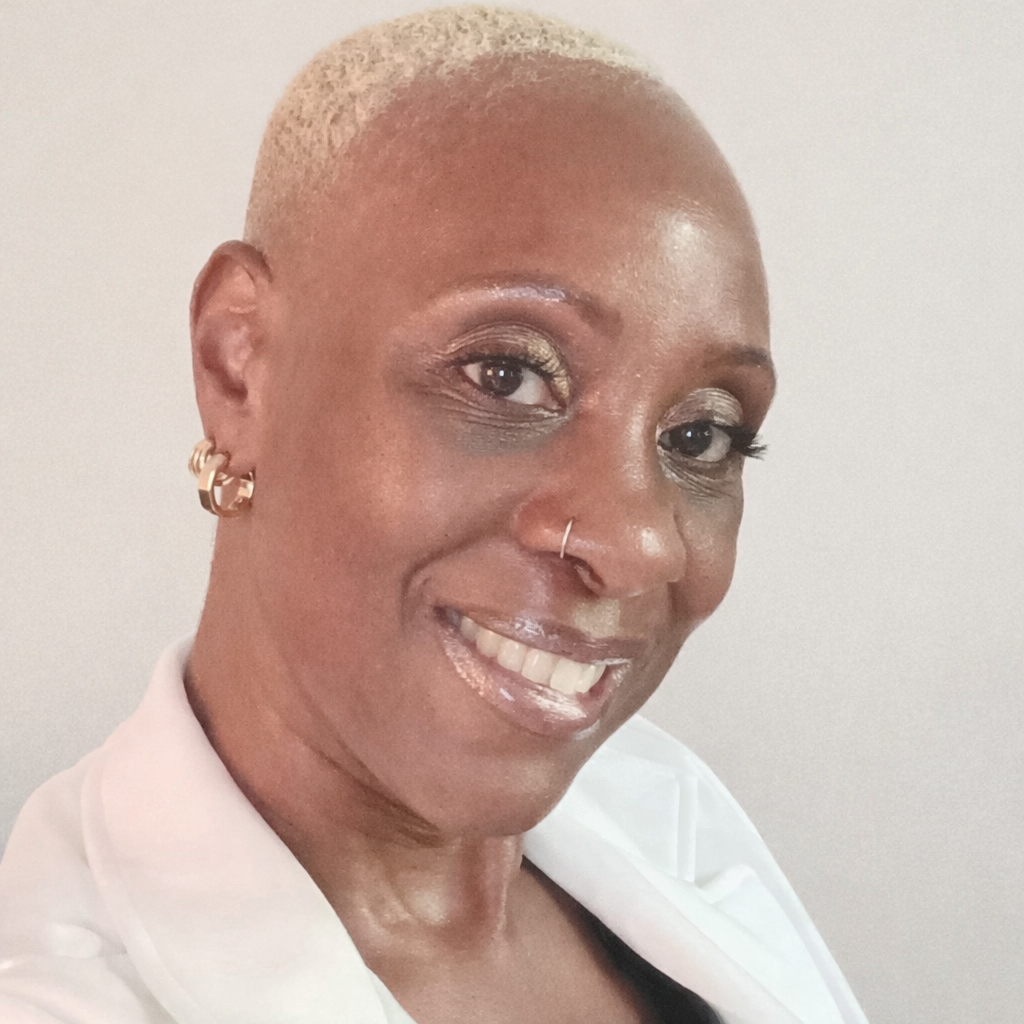
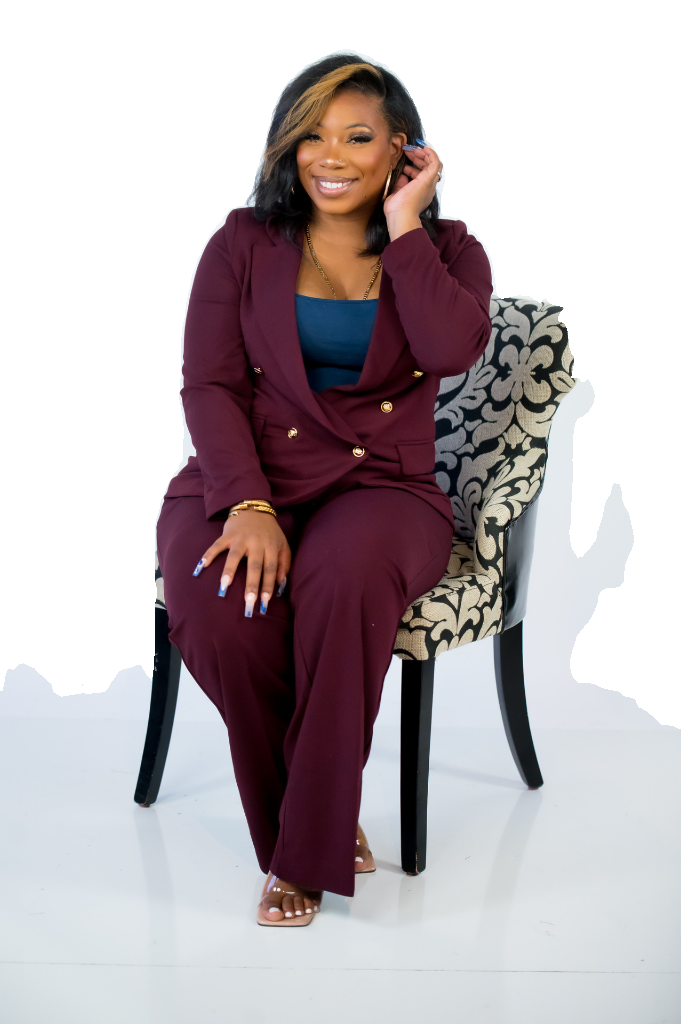
    Briana True

    Briana True

    Board President

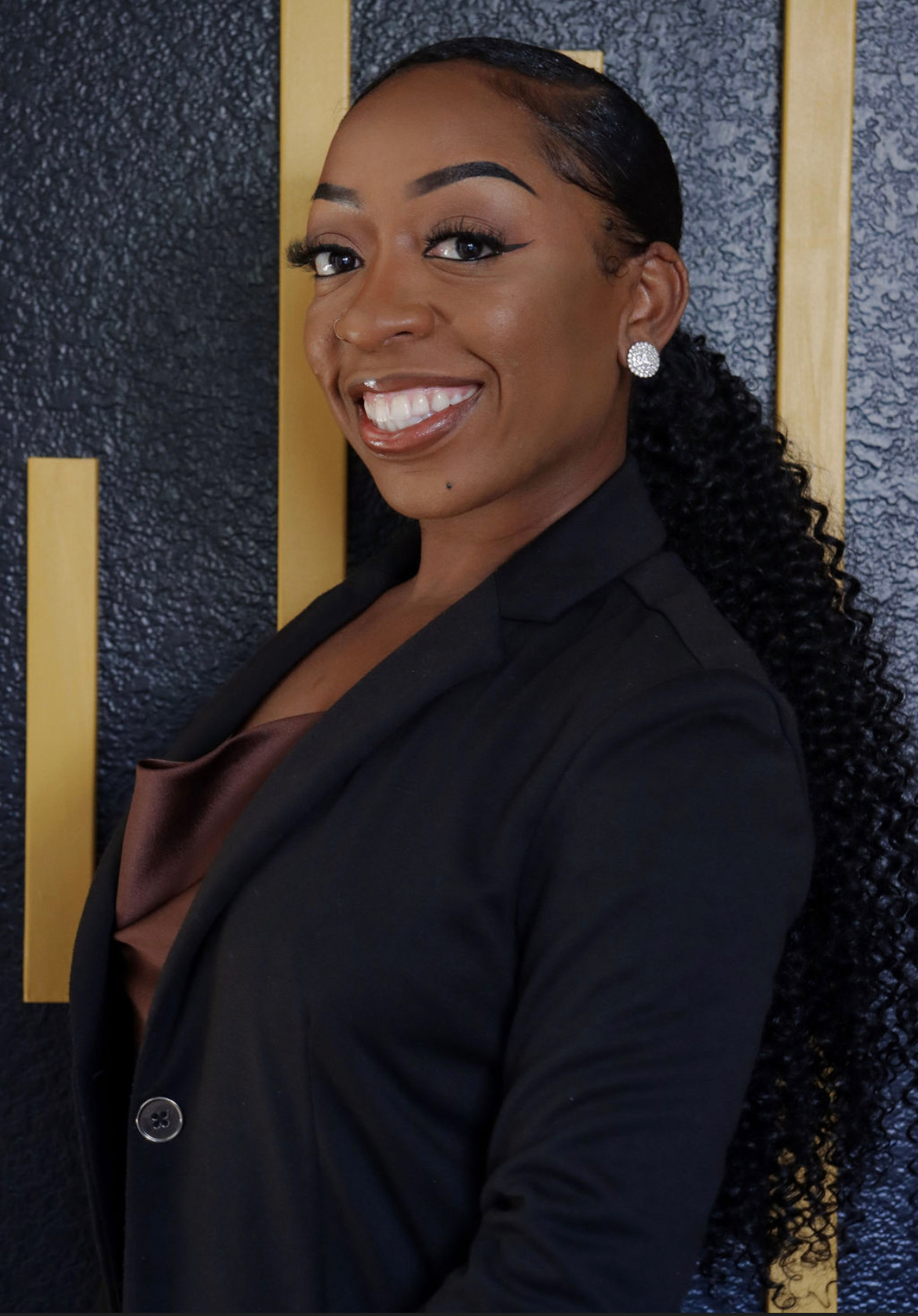
    Briana True is a healthcare professional with more than a decade of experience in the health insurance industry, with a background in implementation strategy, regulatory compliance, and cross-functional leadership. She has also worked hands-on with nonprofit organizations throughout the Valley and has held leadership roles focused on strengthening organizations and serving communities.
    Jasmine Matthews-Griffen, LPC

    Jasmine Matthews-Griffen, LPC

    Board Vice President

    Jasmine Matthews-Griffen is a Tucson, Arizona native, Licensed Professional Counselor, mental health advocate, and community leader with more than nine years of experience in behavioral health. She earned undergraduate degrees in Psychology and Sociology from the University of Arizona and holds a Master’s degree in Clinical Mental Health Counseling.

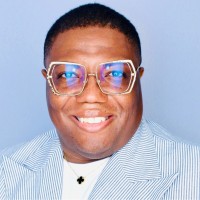
    Brian Rushing Jr.

    Brian Rushing Jr.

    Board of Directors | Interim Treasurer | Risk, Compliance & Technology

    Brian Rushing Jr. is a technology and operations leader who brings a sharp eye for systems, risk, and problem-solving to One in Every 10. His background spans technology, cybersecurity, customer success, implementation, and nonprofit-focused software, giving him a strong understanding of how organizations can use the right tools and processes to work more efficiently and grow responsibly.

    Dr. Damita Jo Carter-Diamond, DNP, MSN, BSN, RN

    Dr. Damita Jo Carter-Diamond, DNP, MSN, BSN, RN

    Board of Directors | Clinical Affairs

    Dr. Damita Jo Carter-Diamond leads Public Health and Clinical Affairs for One in Every 10, an Arizona-based 501(c)(3) closing the reproductive health equity gap for women and menstruators living with PCOS/PMOS and uterine fibroids. A Doctoral Nurse, with 30 years of experience, she brings evidence base clinical expertise directly into the organization’s mission of ensuring diagnosis, treatment, and support are equitable, holistic, and accessible to all.

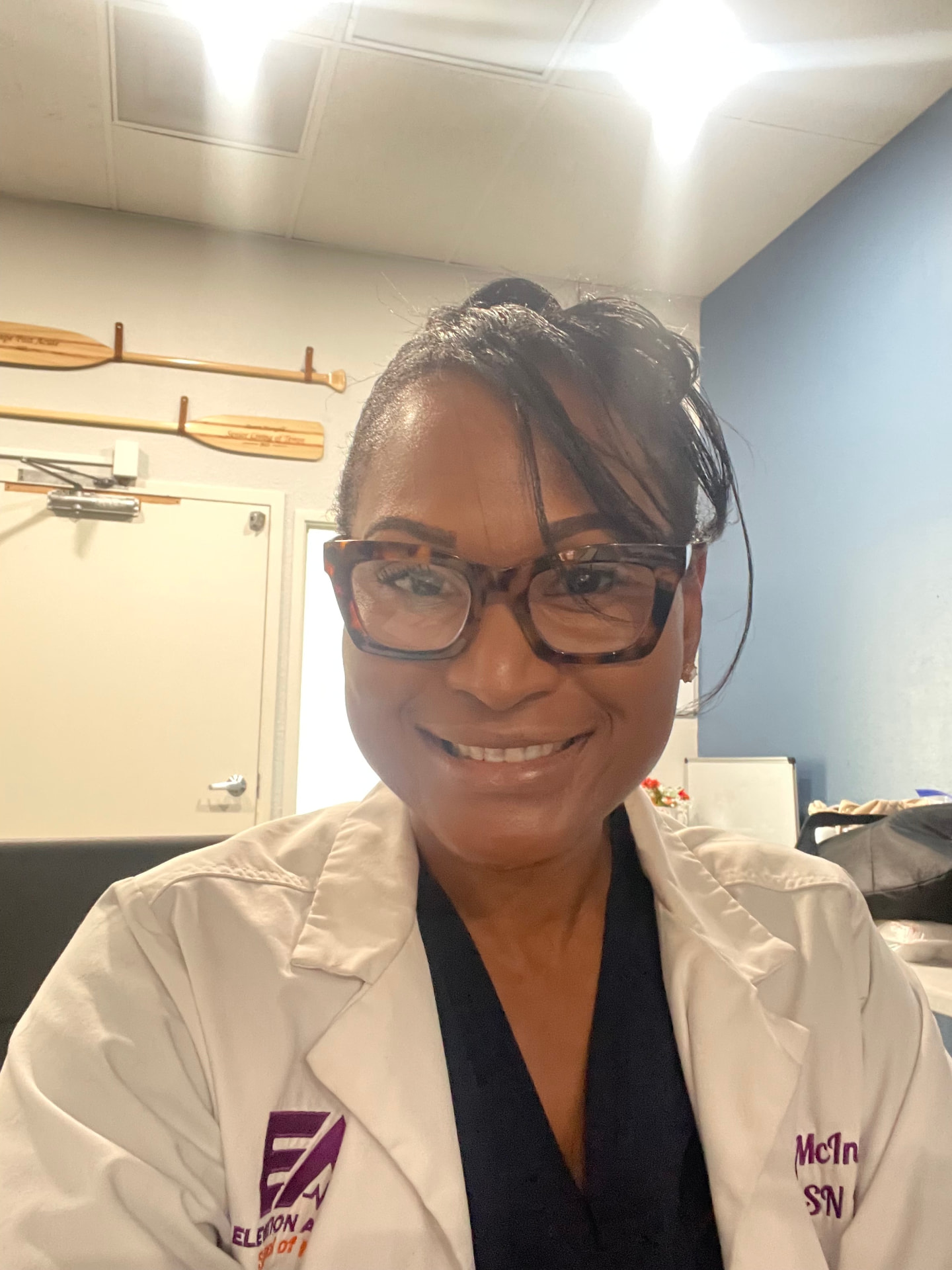
    Tina McIntosh, RN, BSN, M.Ed.

    Tina McIntosh, RN, BSN, M.Ed.

    Board of Directors

    Tina McIntosh is a Tucson, Arizona native, registered nurse, educator, and healthcare leader with more than 20 years of experience in the field. She began her career as a Certified Nursing Assistant before becoming a Licensed Practical Nurse and later earning an Associate Degree in Nursing from Rio Salado Community College, a Bachelor of Science in Nursing from Arizona State University, and a Master of Educational Leadership from Northern Arizona University.

    KE

    Korah Ellis

    Board of Directors | Secretary

    Korah Ellis is a community-minded organizer and creative problem-solver with experience in program development, communications, strategic planning, human resources, and event production. She has a natural ability to bring people, ideas, and moving pieces together and turn them into something that can actually be put into action.

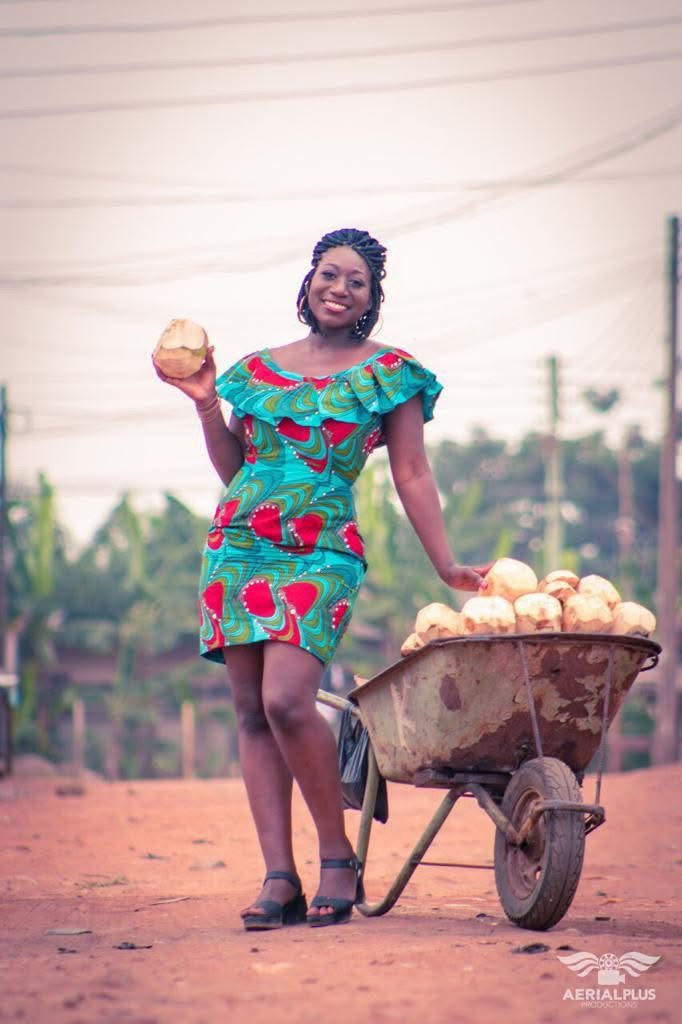
    Harriet Esi Browne, MPH

    Harriet Esi Browne, MPH

    Board of Directors | Public Health Research & Resources

    Harriet Esi Browne is a public health professional, researcher, nonprofit leader, and entrepreneur with a passion for improving access to information, resources, and opportunities within underserved communities. Born and raised in Lawrence, Kansas, Harriet has family roots in Ghana, West Africa, which have also influenced her interest in global health, culture, and community.

    CS

    Cecily (Cec) Stingley

    Board of Directors

    Cecily (Cec) Stingley brings a powerful blend of healthcare knowledge, behavioral health leadership, compassion, and community-centered service to the One in Every 10 Board. Cec earned her Bachelor of Science in Health Care Administration from Grand Canyon University, graduating summa cum laude, and has built her work around helping individuals navigate some of life’s most challenging transitions with dignity, structure, and support.

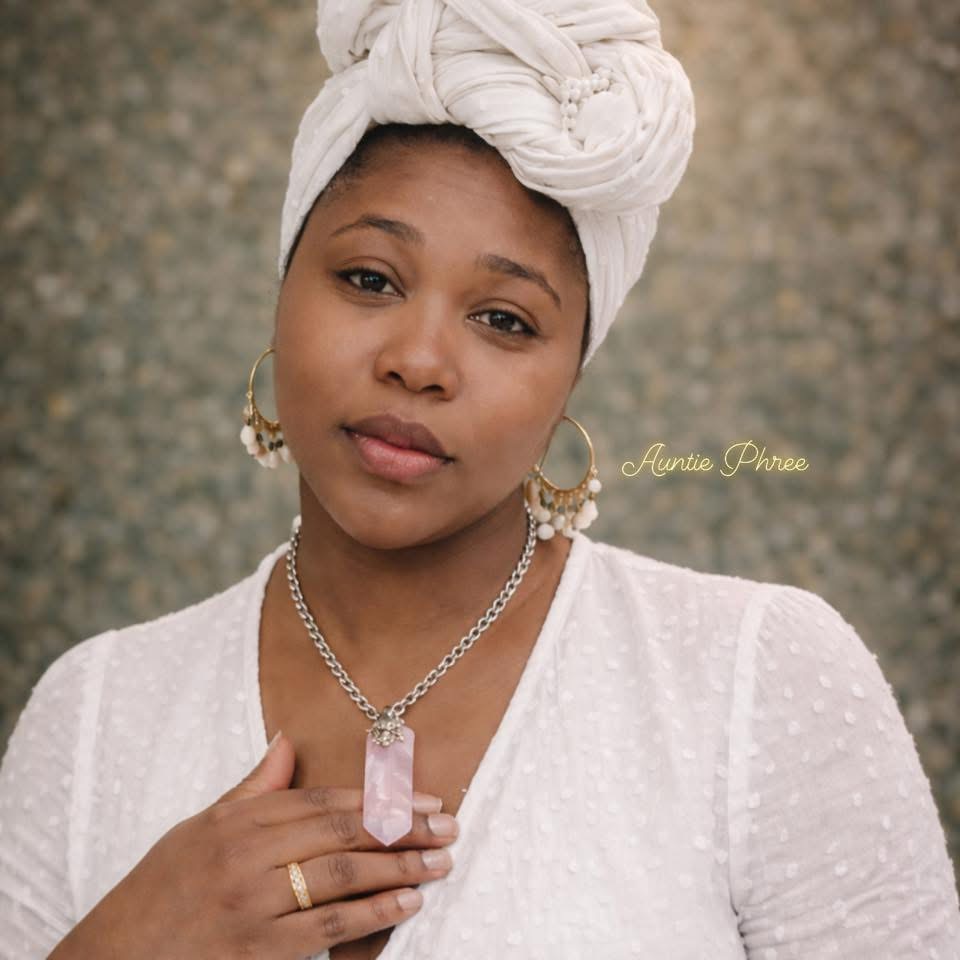
    Frankie Phree Sutton

    Frankie Phree Sutton

    Board of Directors

    Frankie Phree Sutton brings an energetic, people-centered presence and a commitment to community impact to the One in Every 10 Board. As a Board Member, Frankie supports One in Every 10’s work to advance reproductive health equity for individuals affected by PCOS and uterine fibroids, particularly within BIPOC and underserved communities.

    Cipriana Rizea

    Cipriana Rizea

    Board of Directors

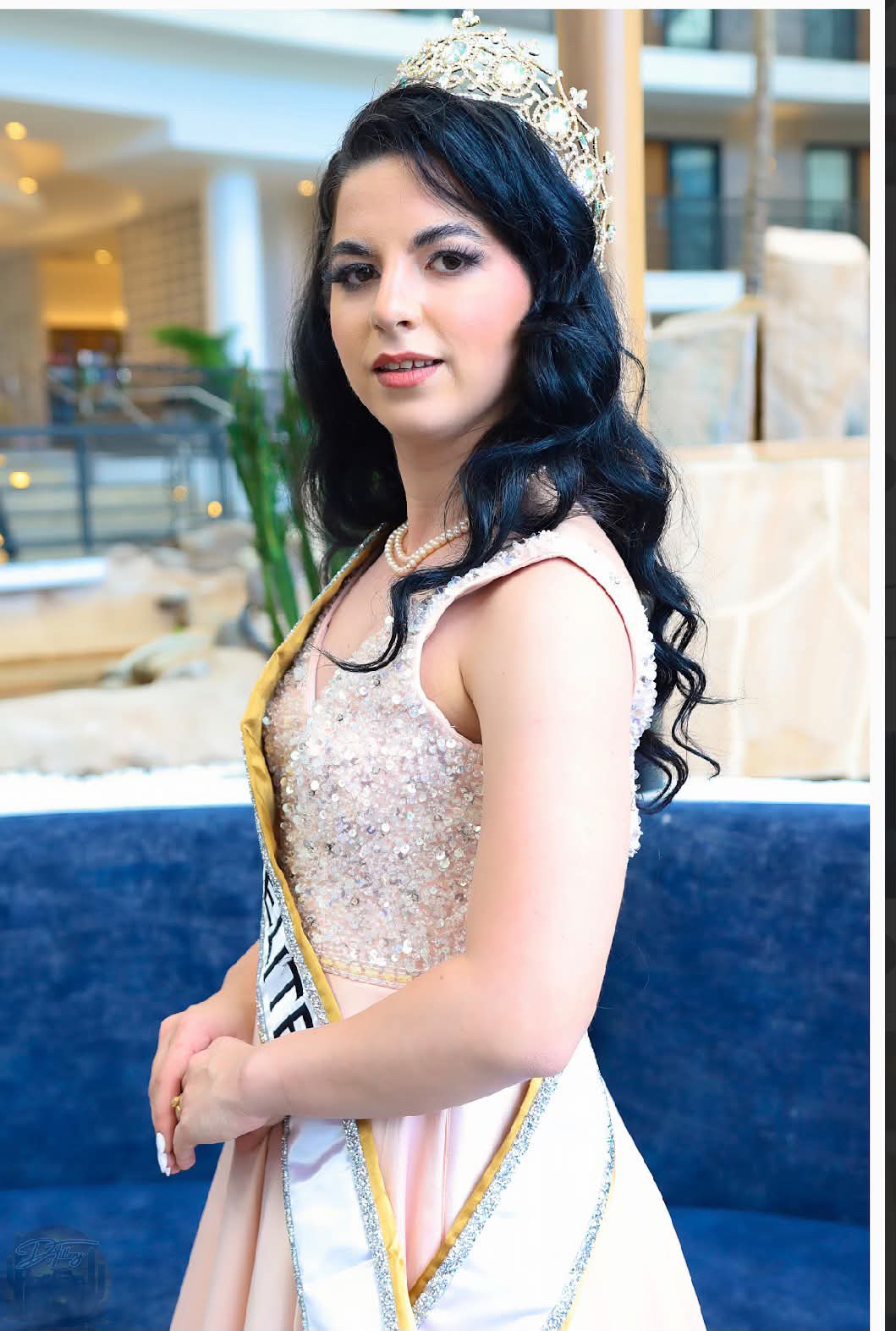
    Cipriana Rizea is a nationally recognized public speaker, civic leader, women’s health advocate, and Founder and CEO of Survivors Nexus. She holds the titles of Miss Ultimate Elite Arizona 2026 and Miss Ultimate Elite 2027, using her platform to champion women’s health, community empowerment, mental health awareness, and social impact.

    Meet Our Founder

    Leading the movement with passion, experience, and lived understanding.

    Roxi Thiam, Executive Director and Founder of One in Every 10

    Roxi Thiam

    Executive Director & Founder

    Health Equity Builder & Educator

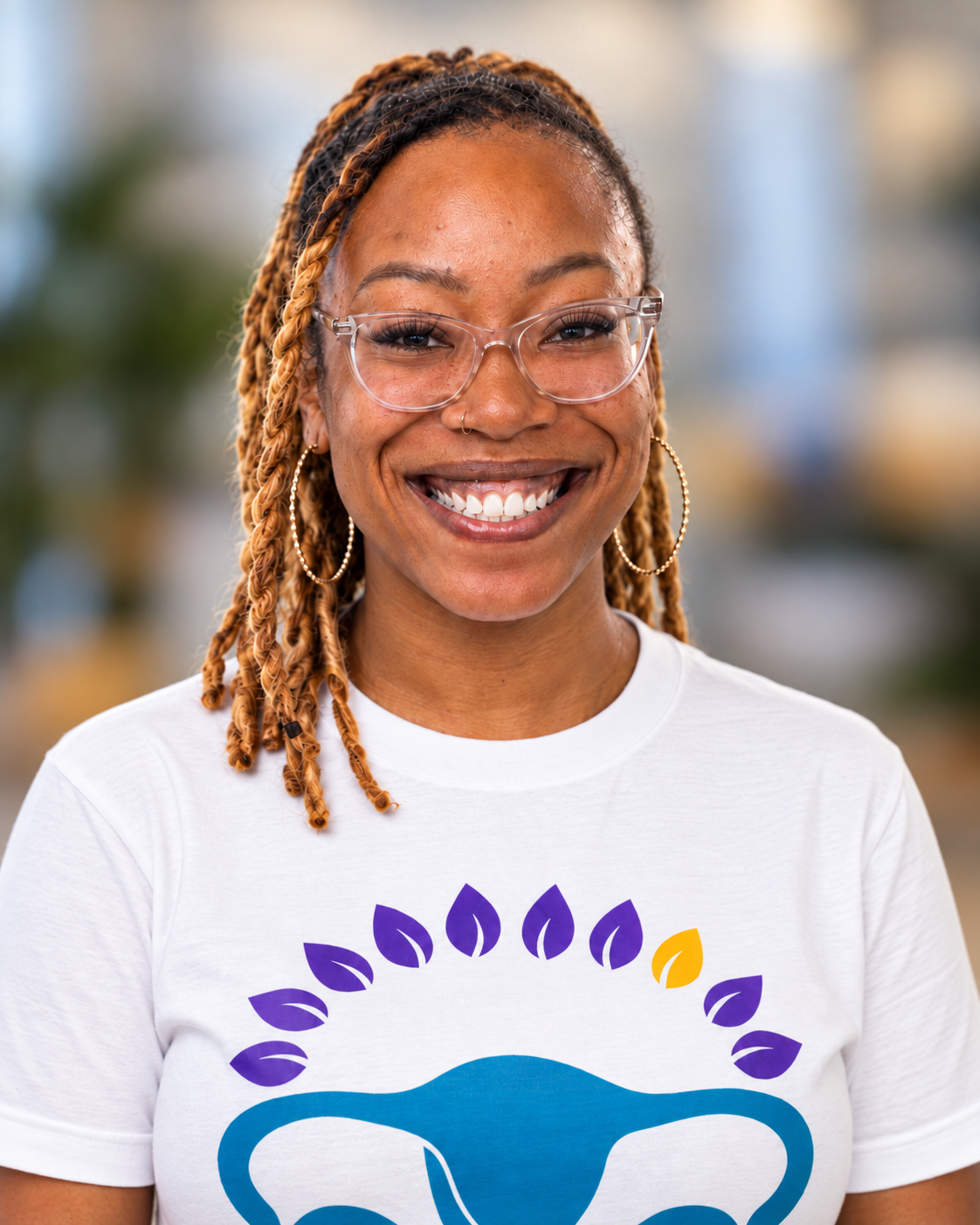
    Roxi Thiam is the Executive Director and Founder of One in Every 10, a movement named for the reality that at least one in ten people with a uterus lives with PCOS. She leads the organization's strategy, partnerships, and advocacy, turning her own health journey into a mission to ensure that others, especially BIPOC and low-income communities, have access to the same knowledge and resources that changed her life.

    A certified holistic nutritionist, clinical herbalist, and the author of No Prescription Needed: A Proven Step-By-Step Guide to Healing Polycystic Ovarian Syndrome Through Simple Diet and Lifestyle Changes, Roxi blends science, storytelling, and community care to help women reclaim their health. Diagnosed with PCOS, uterine fibroids, and Type 2 diabetes, she used plant-based nutrition, herbal medicine, and mindful movement to change all three. She no longer meets the Rotterdam diagnostic criteria for PCOS, her fibroids are no longer present on imaging, and her Type 2 diabetes has been in sustained remission for 9 years without medication. Along the way she released more than 135 pounds.

    Roxi has more than 16 years of strategic finance and nonprofit accounting and executive leadership, building data-driven programs and transparent operations that turn lived experience into systems change. Through workshops like Essential Herbs for Womb Wellness, tea blending education, and self-care sessions with women's groups and students, she amplifies BIPOC voices, translates research into plain-language tools families can use, and ensures every dollar fuels high-impact, community-centered care.

    Our Impact Challenge

    Test your knowledge about health equity gaps

    Is NIH research funding proportional to how conditions like PCOS and fibroids affect women?

    Join Our Movement

    Together, we can create a future where reproductive health equity is not just a goal, but a reality for all.

    The Unspoken Truth

    The devastating reality of reproductive health inequity

    What really happens when reproductive health conditions go untreated in BIPOC communities?

    Sources & References

    Sources below are labeled by type: peer-reviewed studies, government and public health data, clinical guidelines, and advocacy or nonprofit reports. Follow any link to read the original source.

    1. Polycystic ovary syndrome, fact sheetWorld Health Organization • 2026 • Fact sheet updated 22 January 2026: PCOS affects an estimated 10–13% of women of reproductive age; up to 70% of cases go undiagnosed worldwide
    2. Racial and Ethnic Differences in the Pathogenesis and Clinical Manifestations of Uterine LeiomyomaCatherino WH, Eltoukhi HM, Al-Hendy A • Seminars in Reproductive Medicine • 2013 • Fibroid prevalence is roughly three times higher among women of African ancestry
    3. NIH RePORTER, federally funded research project databaseU.S. National Institutes of Health • 2024 • FY2023 awards: ~$33M across 87 PCOS projects; ~$31M across 47 uterine fibroid projects
    4. Unmet Menstrual Hygiene Needs Among Low-Income WomenKuhlmann AS, Peters Bergquist E, Danjoint D, Wall LL • Obstetrics & Gynecology • 2019 • In a low-income urban sample, 64% could not afford menstrual products in the past year and 46% had to choose between period products and food
    5. Delayed diagnosis and a lack of information associated with dissatisfaction in women with polycystic ovary syndromeGibson-Helm M, Teede H, Dunaif A, Dokras A • The Journal of Clinical Endocrinology & Metabolism • 2017 • Of 1,385 respondents, 33.6% waited more than two years for a diagnosis and 47.1% saw three or more health professionals before being diagnosed
    6. Gender Disparity in the Funding of Diseases by the U.S. National Institutes of HealthMirin AA • Journal of Women's Health • 2021 • In nearly three-quarters of cases where a disease affects primarily one gender, NIH funding favors male-predominant conditions relative to disease burden
    7. Recommendations from the 2023 International Evidence-based Guideline for the Assessment and Management of Polycystic Ovary SyndromeTeede HJ, Tay CT, Laven J, et al. • Fertility and Sterility / Human Reproduction • 2023
    8. Uterine leiomyomas: racial differences in severity, symptoms and age at diagnosisKjerulff KH, Langenberg P, Seidman JD, Stolley PD, Guzinski GM • The Journal of Reproductive Medicine • 1996 • Mean age at diagnosis 37.5 years for Black women vs 41.6 for white women; anemia in 56% vs 38%